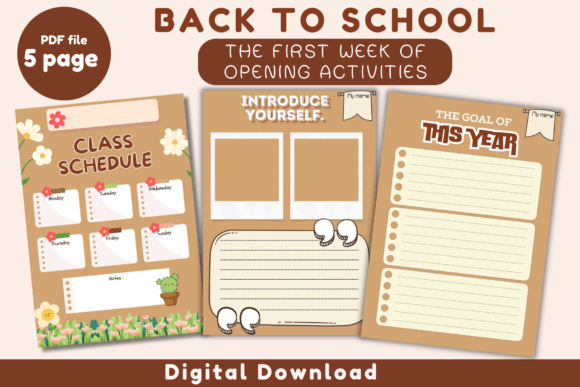
Back to School Activities First Week
As the first week of school approaches, it’s a time for fresh starts and new connections. The Back to School Activities First Week is more than just a list of tasks—it's an opportunity to build community, spark creativity, and set the stage for a successful academic year. These activities are designed to help students feel comfortable, engaged, and excited about learning from day one.
Fostering Connection Through Shared Experiences
The essence of Back to School Activities First Week lies in its ability to bring people together. Whether through icebreakers, collaborative projects, or reflective exercises, these activities encourage students to share their stories, interests, and aspirations. This not only helps them get to know each other but also creates a sense of belonging that can last throughout the school year.
One of the most effective ways to kick off the first week is with an introduction circle. Students sit in a circle and take turns sharing something unique about themselves—like their favorite book, a hobby, or a personal goal. This simple activity promotes openness and allows teachers to gain insight into their students’ personalities.
Collaborative Learning and Team Building
Team-based activities are another cornerstone of the Back to School Activities First Week. These exercises encourage communication, problem-solving, and cooperation. For example, a classroom challenge where students work together to solve a puzzle or complete a task can be both fun and informative.
Another popular activity is the “Two Truths and a Lie” game. Each student shares two true facts and one false statement about themselves, and the class guesses which one is the lie. This not only sparks laughter but also gives everyone a chance to learn more about their peers in a lighthearted way.
Exploring Course Structure and Expectations
While building relationships is essential, it’s equally important to introduce students to the course structure and expectations. A well-planned first week should include an overview of the curriculum, grading policies, and classroom rules.
Teachers can use interactive tools like digital whiteboards or online platforms to present this information in a visually engaging way. Visual aids such as timelines, calendars, and flowcharts can help students understand the rhythm of the school year and what to expect from each subject.
Additionally, setting clear expectations early on helps prevent confusion later. Whether it’s outlining participation requirements, homework deadlines, or assessment formats, transparency builds trust and sets the tone for a productive learning environment.
Encouraging Personal Growth and Reflection
Back to School Activities First Week also offers an opportunity for students to reflect on their goals and aspirations. Encouraging self-reflection can help them take ownership of their learning journey and stay motivated throughout the year.
Simple prompts like “What do you hope to achieve this year?” or “What skills would you like to improve?” can lead to meaningful conversations. Teachers can also incorporate journaling or creative writing exercises to help students articulate their thoughts and ideas.
These activities not only support academic growth but also nurture emotional intelligence and self-awareness. By creating a space for reflection, teachers can help students develop a deeper connection with their learning and with each other.
Creating a Supportive Classroom Environment
A strong foundation for learning begins with a supportive classroom environment. The Back to School Activities First Week plays a crucial role in establishing this atmosphere by promoting inclusivity, respect, and mutual understanding.
Activities that encourage empathy and perspective-taking, such as role-playing or group discussions, can help students appreciate diverse viewpoints. These experiences foster a culture of kindness and collaboration, which is essential for long-term success in both academics and life.
Moreover, involving students in the decision-making process—such as choosing classroom rules or designing a shared vision board—can increase their sense of responsibility and investment in the learning community.
Designing Engaging and Meaningful Activities
When planning Back to School Activities First Week, it’s important to consider the balance between fun and purpose. Each activity should serve a clear educational or social objective while keeping students engaged and excited.
Variety is key. Mixing hands-on projects with reflective exercises ensures that all types of learners have something to connect with. For instance, a scavenger hunt that leads to a classroom discussion can be both active and thought-provoking.
Teachers can also incorporate technology to enhance the experience. Digital tools like interactive quizzes, virtual tours, or online collaboration platforms can add a modern twist to traditional activities, making them more relevant and engaging for today’s students.
Ultimately, the goal of Back to School Activities First Week is to create a welcoming, dynamic, and inclusive classroom environment where every student feels valued and inspired to learn.